
Tidal Bore Phenomenon vs. White Water Rapid Adventure
When people think of white water rafting, they usually picture mountain rivers, snowmelt-fed rapids, and paddling through remote canyons. But here in Nova Scotia, we offer something completely different — and entirely unique. Welcome to the world of tidal bore rafting on the Shubenacadie River: a global phenomenon fueled not by waterfalls or elevation, but by the ocean itself.
Whether you’re a thrill-seeker researching your next adventure or trying to decide between rafting in Nova Scotia or a more traditional white water trip, this guide breaks down the key differences between tidal bore rafting and white water rafting — and why one might just steal your heart.
What Is Tidal Bore Rafting?
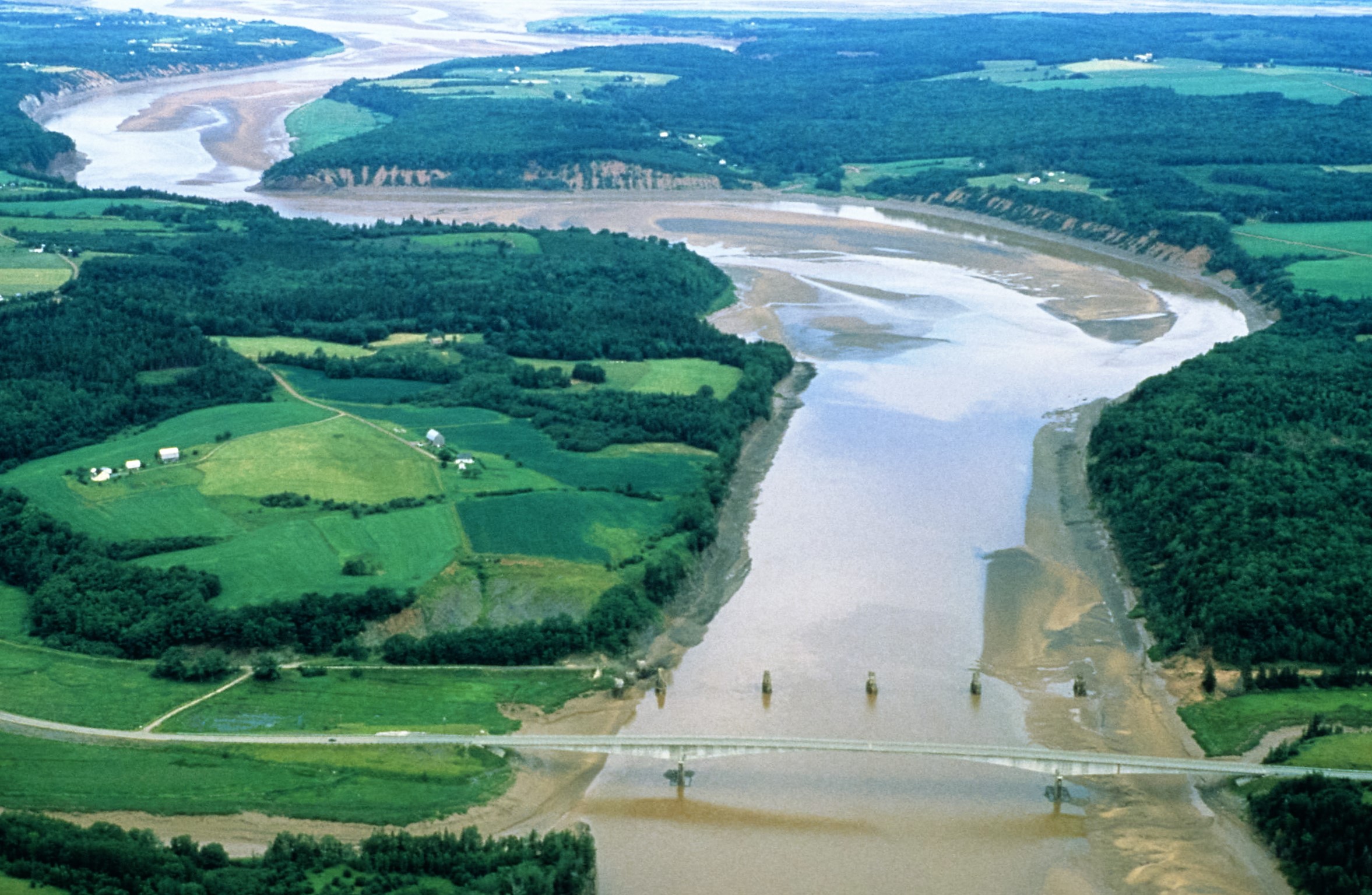
Tidal bore rafting is an adrenaline-pumping ride powered by the Bay of Fundy tides — the highest tides in the world. As the tide rushes into the Shubenacadie River, it reverses the river’s flow, crashing into sandbars and riverbanks to form naturally occurring rapids, whirlpools, and standing waves.
But this isn’t just a river with a strong current — this is a tidal bore, a rare and powerful phenomenon where a visible wall of ocean water barrels upriver.
– Powered by the Moon
Instead of melting snow or mountain runoff, tidal bore rafting is driven by the Bay of Fundy’s massive tidal shifts — the highest tides on the planet. Every 12 hours, billions of gallons of water surge into the Shubenacadie River, reversing its flow and creating a fast-moving wall of water called the tidal bore.
– Naturally Timed
Trips are scheduled around the tide, not a daily set departure. That’s because the power of the ride depends on the size of the tide — a rare and awe-inspiring phenomenon.
– One River, Two Personalities
On the way out, it’s calm and scenic. Then the bore tide hits, transforming the river into a churning rollercoaster with standing waves, whirlpools, and rapids reaching up to class 4 — all from the incoming ocean tide.
– Home to Mud Sliding & Bay of Fundy Silt
Where else can you finish a rafting trip sliding down riverbanks of warm, chocolatey mud? (Answer: nowhere.)
📍 Only the Shubenacadie River offers commercial tidal bore rafting experiences — that’s right, it’s the only place in the world where you can raft a tidal bore like this.
What Is White Water Rafting?
White water rafting usually takes place on inland rivers with steep drops and fast-moving currents, like the Ottawa River or rivers in New Brunswick, British Columbia, or the Rockies. The rapids are classified by difficulty from Class I (easy) to Class V (expert), based on speed, obstacles, and technical challenges.
These trips are often multi-hour or multi-day excursions through canyons or remote wilderness areas, powered by gravity and runoff.
– Powered by Gravity
Most white water rivers are fed by mountain runoff or glacier melt. That water builds speed as it flows downhill, bouncing off rocks and forming classic rapids.
– Class-Based Rapids
Rapids are rated by difficulty (Class I–VI), depending on obstacles like rocks, speed, and turbulence.
– Fixed Course
White water rafting routes are often predictable and repeatable, with set put-in and take-out locations.
– Seasonal Flow
The rafting season in places like New Brunswick or BC is often limited to spring or early summer, depending on snowmelt.
🔍 Tidal Bore vs. White Water: Key Differences
| Feature | Tidal Bore Rafting | White Water Rafting |
|---|---|---|
| Location | Shubenacadie River, NS | Inland rivers (e.g. Ottawa, Fraser) |
| Powered By | Ocean tides (Bay of Fundy) | Gravity and mountain runoff |
| Rapid Formation | Sandbars + tide surge | River gradient, rocks, drops |
| Timing | Scheduled around tide charts | Can run all day |
| Experience | Muddy, wild, often includes mud sliding | Technical, scenic, typically drier |
| Uniqueness | Only in Nova Scotia | Offered globally |
🌎 Why Shubenacadie Tidal Bore Rafting Is One-of-a-Kind
There are only a handful of places in the world where tidal bores happen — and even fewer where they’re raftable. The Shubenacadie tidal bore is famous for its size, speed, and accessibility.
When you book a trip with Shubie River Wranglers (or other Shubenacadie tidal bore rafting resort operators), you’re not just going rafting — you’re surfing a natural tidal wave created by the Bay of Fundy Nova Scotia tidal bore. The tidal bore schedule tells you when the action happens, and every trip is unique depending on the fundy tides that day.
🧭 Plan Your Trip Around the Tide
Because tidal bore rafting depends on Bay of Fundy tide schedule Nova Scotia, tours are booked based on the daily tidal bore times — not a typical 9-to-5 schedule. Some days have small bores, while others (called big tides) bring the thunder. It’s worth planning your visit around one of those Fundy tidal bore adventure windows.
Check the tide schedule to book the best time.
Final Thoughts
Both types of rafting offer thrills, but only the Bay of Fundy in Nova Scotia gives you a chance to ride a river in reverse— powered by the ocean. It’s fast, muddy, wild, and unforgettable. So while we love all kinds of rafting Nova Scotia and beyond has to offer, there’s only one tidal bore river you can experience like this.
🛶 Book your Shubenacadie tidal bore rafting adventure now
📍 Located just outside Truro, NS — easy to reach from Halifax, the Fundy coast, or central Nova Scotia
📅 Don’t miss the wave. Check the tide times here
For adventure seekers and thrill riders, both tidal bore rafting and white water rafting promise excitement — but they’re entirely different beasts. Whether you’re chasing Fundy tides or roaring rapids, knowing the difference can help you plan your next unforgettable outdoor experience.
Related Posts
The History of Tidal Bore Rafting on the Shubenacadie River
The Shubenacadie River in Nova Scotia stretches over 72 kilometres and is…

Where to Eat After Rafting with the Wranglers – From Riverside Grub to Fine Dining in Nova Scotia:
You’ve just finished your tidal bore rafting adventure with Shubie River Wranglers. You're…

Top 10 Must-Do Activities Around the Shubenacadie River, Nova Scotia
The Wranglers Top 10 Guide to Travelling Around the Bay…